The Human Design Sacral Center in Children
Understanding Life Force Energy, Play, Engagement, and What Lights Them Up
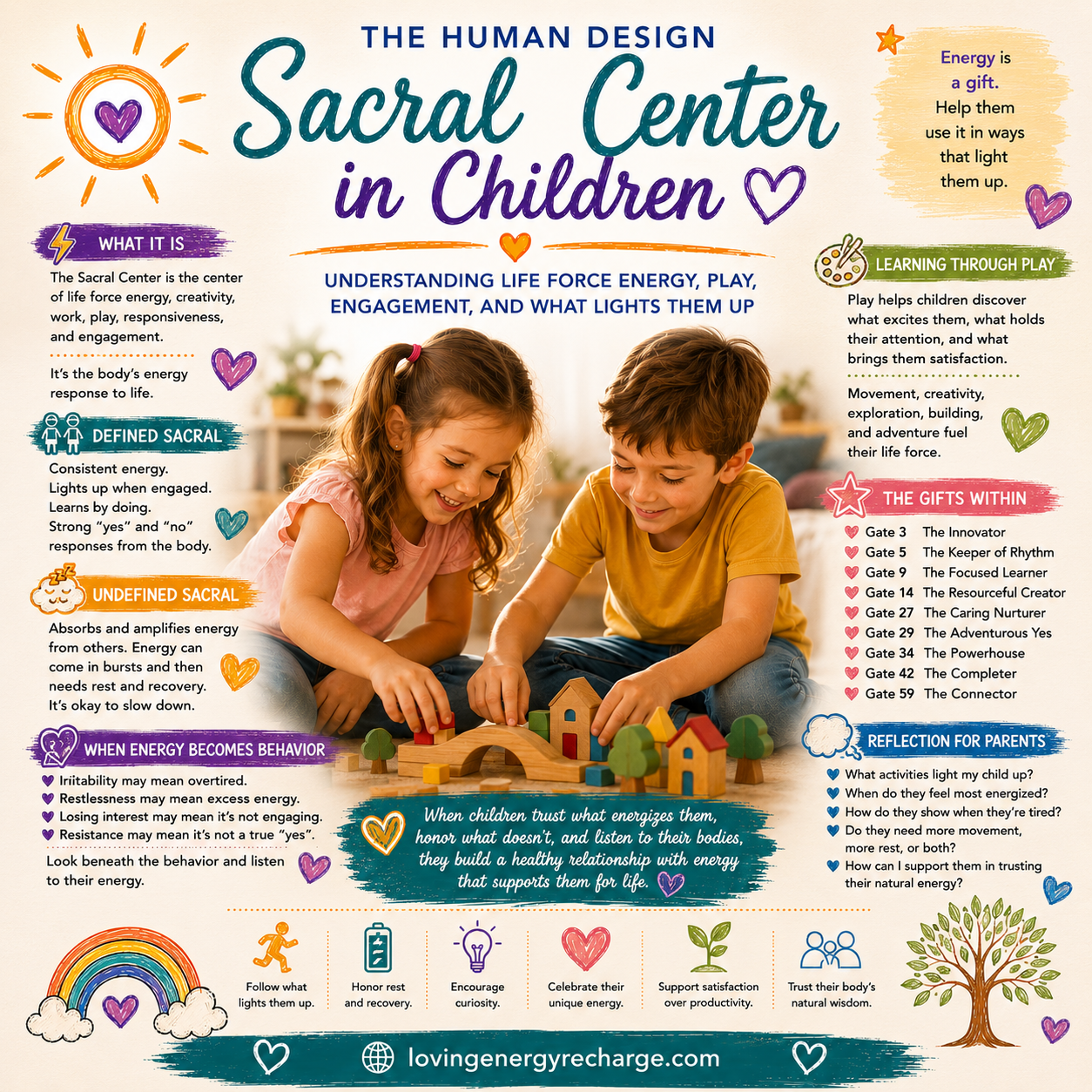
Children naturally show us what excites them. Some seem to have endless energy for the things they love. They can spend hours building, creating, exploring, playing, learning, and engaging with activities that genuinely interest them. Others may have bursts of energy followed by a need for rest and recovery. Some children eagerly jump into new experiences, while others require more space to determine whether something feels right for them.
As parents, it can be easy to assume all children experience energy in the same way. Yet some children seem energized by being busy, while others become exhausted when they try to keep up with the pace of those around them. Some naturally know what they enjoy, while others are still learning how to recognize what genuinely excites them.
Through the lens of Human Design, the Sacral Center offers a compassionate way of understanding a child's relationship with energy, engagement, satisfaction, creativity, work, play, and the activities that bring them to life. Rather than teaching children to push through exhaustion or ignore their natural rhythms, this center invites us to recognize that every child has a unique relationship with energy. Understanding this center is not about helping children do more. It is about helping them recognize what genuinely lights them up.
When children learn to trust what energizes them and honor what doesn't, they begin developing a healthier relationship with themselves, their bodies, and the world around them.
What Does the Sacral Center Represent?
The Sacral Center is the center of life force energy, sustainable energy, creativity, work, play, responsiveness, and engagement. This center influences how a child experiences energy throughout the day and how they know whether something feels exciting, satisfying, or worth their attention.
In Human Design, the Sacral is often associated with the body's response to life. It is less about thinking and more about feeling an energetic response. Children often demonstrate this naturally.
You may notice a child light up when they are engaged in something they love. Their energy increases. Their focus deepens. Their excitement becomes visible.
You may also notice when something doesn't feel aligned. Their energy drops, frustration emerges, or they lose interest altogether.
The Sacral reminds us that children are not designed to force themselves into activities that continually drain them. They are designed to discover what brings them alive.
When the Sacral Center Is Defined
Children with a defined Sacral Center often have access to consistent life force energy. When they are engaged in activities they genuinely enjoy, they may seem tireless. They often learn through doing, experimenting, building, creating, and actively participating in life.
These children frequently have strong responses to what interests them and what doesn't. Their bodies often know before their minds do. You may notice a child who enthusiastically jumps into activities they love but struggles to engage in things that feel uninspiring or disconnected from their interests. At times, adults may interpret this as stubbornness or resistance. More often, it is simply their energy responding honestly.
Supporting these children often means helping them recognize what feels energizing and what feels draining. They benefit from opportunities to follow their curiosity, engage in meaningful activities, and learn through experience. When children with a defined Sacral learn to trust their body's responses, they often develop a strong sense of self-awareness and satisfaction.
When the Sacral Center Is Undefined or Open
Children with an undefined or open Sacral Center often experience energy differently. Rather than generating consistent life force energy, they tend to amplify and absorb the energy of those around them.
At times, these children may appear to have endless energy when they are around highly active people. At other times, they may suddenly become exhausted and need rest. Because they can easily keep up with others for a period of time, adults may not always recognize when they have exceeded their natural limits.
These children often benefit from learning that it is okay to rest. They do not need to match the energy levels of siblings, classmates, or friends. Their value is not determined by how much they accomplish. Supporting these children often means helping them recognize their own energy levels and honoring their need for downtime and recovery. When children with an undefined Sacral learn to listen to their bodies, they often develop healthy boundaries around energy, rest, and self-care.
When Energy Becomes Behavior
Children do not always communicate energy needs directly. Sometimes their relationship with energy shows up through behavior.
A child who becomes irritable may be overtired.
A child who constantly moves may be expressing excess energy that needs an outlet.
A child who suddenly loses interest may be showing that something no longer feels engaging.
A child who resists an activity may not be lazy or difficult. They may simply be disconnected from the energy required to sustain it.
When we begin looking beneath the behavior, we often discover important information about how a child is experiencing their energy. Instead of asking, "Why won't they do it?" We might ask, "Does this genuinely energize them?" That question often reveals far more than behavior alone.
Learning Through Play
Play is one of the most natural expressions of the Sacral Center. Through play, children discover what excites them, what holds their attention, and what brings them satisfaction. Some children enjoy building, creating, crafting, sports, movement, music, dance, or hands-on projects. Others enjoy imaginative play, exploration, nature, problem-solving, or collaborative activities. Play allows children to follow their natural energy rather than forcing it.
Children with strong Sacral energy often benefit from opportunities for movement, creation, and active engagement. Children with an undefined Sacral often benefit from balancing activity with periods of rest and quiet time. The goal is not to keep children busy. The goal is to help them discover what brings them alive.
The Gifts Within the Sacral Center
While the Sacral Center represents life force energy as a whole, the gates within this center offer additional insight into the unique ways a child may experience creativity, vitality, contribution, and growth.
Gate 3 — The Innovator
Children with Gate 3 often learn through experimentation and new beginnings. They may naturally find creative ways to solve problems and adapt to change.
Gate 5 — The Keeper of Rhythm
Children with Gate 5 often thrive with routines and natural rhythms. Consistency can help them feel grounded and supported.
Gate 9 — The Focused Learner
Children with Gate 9 often have an ability to concentrate deeply on the things that genuinely interest them. Their gift lies in sustained focus and attention to detail.
Gate 14 — The Resourceful Creator
Children with Gate 14 often possess energy for creating, building, and contributing. They frequently feel most energized when using their gifts in meaningful ways.
Gate 27 — The Caring Nurturer
Children with Gate 27 often have a natural desire to care for others. They may be protective, generous, and attentive to the needs of those they love.
Gate 29 — The Adventurous Yes
Children with Gate 29 often learn through commitment and experience. They may be eager to say yes to opportunities that allow them to grow and explore life.
Gate 34 — The Powerhouse
Children with Gate 34 often carry powerful life force energy. They may be highly independent and capable when given opportunities to engage with what genuinely excites them.
Gate 42 — The Completer
Children with Gate 42 often learn through finishing what they start. They may gain satisfaction from seeing experiences, projects, and adventures through to completion.
Gate 59 — The Connector
Children with Gate 59 often have a natural gift for creating connection and closeness. They may easily form friendships and enjoy meaningful relationships with others.
Reflection for Parents
As you reflect on your child's relationship with energy and engagement, consider:
What activities naturally light my child up?
When does my child seem most energized?
How do they respond when they are tired or overwhelmed?
Do they need more movement, more rest, or both?
How can I support them in trusting their natural energy?
Every Child Experiences Energy Differently
Some children seem to have endless energy.
Some need more rest.
Some discover themselves through movement.
Some through creativity.
Some through connection.
Some through exploration.
The purpose of understanding your child's Sacral Center is not to make them more productive. It is to help them recognize what genuinely brings them to life.
When children learn to trust what energizes them, honor what doesn't, and listen to the wisdom of their bodies, they begin developing a healthy relationship with energy that can support them throughout their lives. And from that foundation, satisfaction naturally begins to grow.
Much Love,
Lisa Richard
Important Note
This article was created with the support of artificial intelligence (ChatGPT) and reviewed as part of the Children Feel Energy Too educational series. The information shared is intended for educational, self-awareness, and personal reflection purposes only. Human Design is not a diagnostic, medical, psychological, or therapeutic system and should not be used as a substitute for professional advice, diagnosis, or treatment.
Every child is unique. Parents, caregivers, and educators are encouraged to use discretion when interpreting the information provided and to consider the individual needs, experiences, and developmental stage of each child. If you have concerns regarding your child's emotional, mental, physical, behavioral, or developmental well-being, please consult with a qualified healthcare professional, pediatrician, psychologist, counselor, or other licensed practitioner.
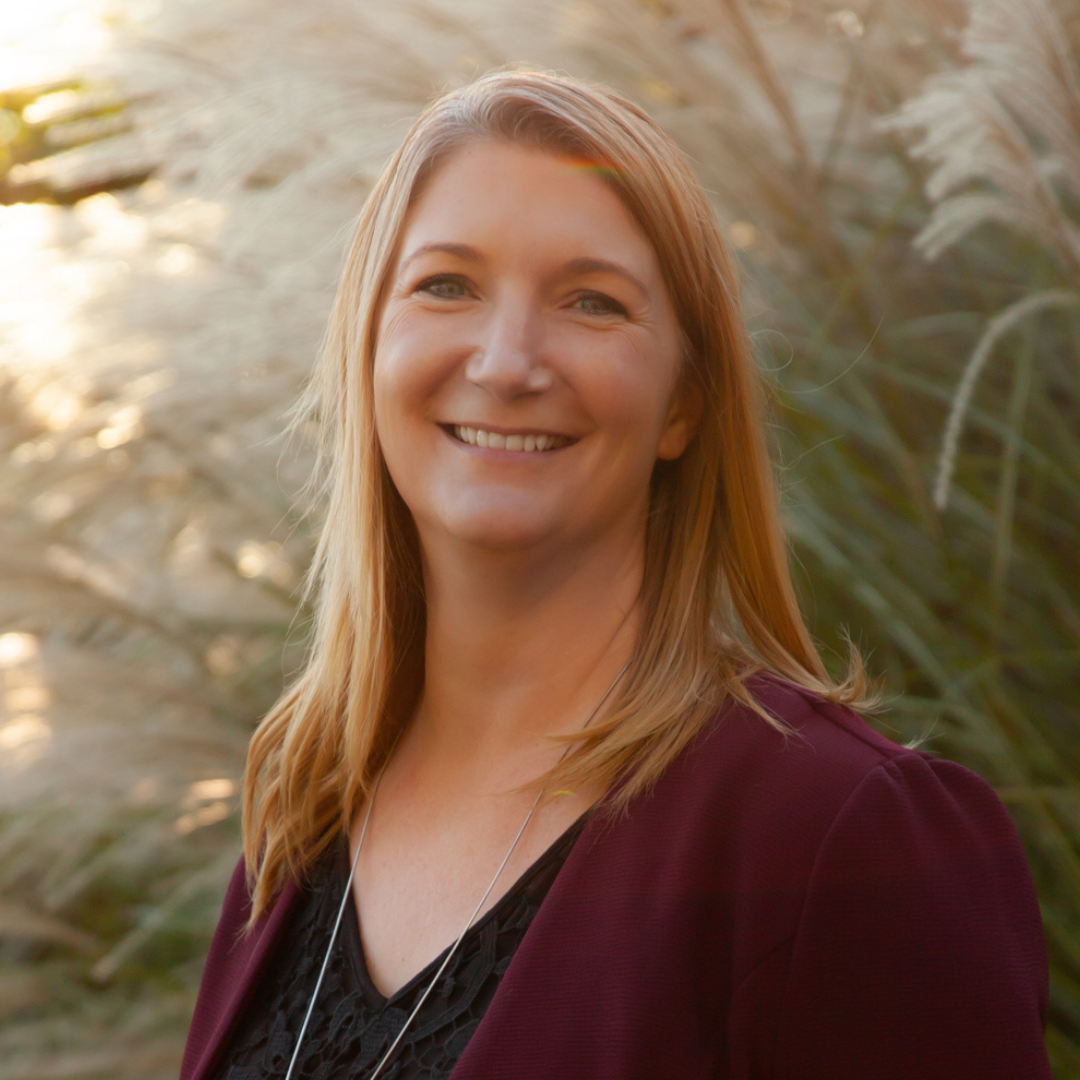
About Lisa Richard
Lisa Richard is a Human Design Guide, certified Reiki Master Teacher, Emotion Code Practitioner, Ancestral Healer, Lightworker Coach, Intuitive Channel, and Oracle Card Reader with a passion for helping individuals better understand themselves and the unique way they experience the world.
Married to her soulmate over 29 years, Lisa is the proud mother of three adult daughters and grandmother to two young grandchildren. Her experiences as both a parent and grandparent continue to deepen her appreciation for the individuality, sensitivity, and natural wisdom that children carry.
Through her work with Human Design, Lisa helps parents gain a deeper understanding of their child's unique energetic makeup, strengths, sensitivities, learning style, and emotional needs. She believes that when children feel seen, understood, and supported for who they naturally are, they develop greater confidence, self-awareness, and trust in themselves.
Lisa's approach blends intuitive insight with practical guidance, creating a compassionate space for self-discovery, growth, and deeper connection between parents and their children.
To explore Human Design readings, personalized child and family sessions, energy healing services, courses, workshops, and other offerings, please visit our website. We would be honored to support you on your journey of self-discovery, healing, and deeper understanding.
Visit: lovingenergyrecharge.com
